Categories
BLOG

TIGERS FOR KIDS: Top Children’s Books Featuring Tigers

Top Children’s Books | Tiger Tim

Tigers are one of the most popular characters in literature – especially in children’s books. Here are tigers for children’s books that your kids will love!

TIGER characters | Tiger Tim

You all know that reading books with Tim is one of my favourite things to do. But you know what’s better than getting lost in books? Reading books with TIGER characters! Tigers, for kids and adults alike, are one of the most popular animal characters in books. What can I say, we are cool cats, after all!
Tigers for Children | Tiger Tim

In this blog post, I’ve rounded up my ten most beloved books featuring tigers for children, ranging from classics to newly-published ones. There’s also something for adults at the end of the list!

The Tiger Who Came to Tea, Written and Illustrated by Judith Kerr

Tiger Who Came to Tea | Tiger Tim

Recommended Ages: 3-6

Can you imagine having tea with a TIGER? A Tiger Who Came to Tea is precisely about that! The book, published in 1968, is about a little girl named Sophie, who is visited by a huge tiger one afternoon. Read about how this charming tiger (like me!) drinks and eats everything in Sophie’s house (very much like me!) before simply going on his way.

This beloved classic remains popular to this day, all thanks to a kind, well-meaning, tea-loving, tiger.

The Jungle Book, Written by Rudyard Kipling

Recommended Ages: 10+
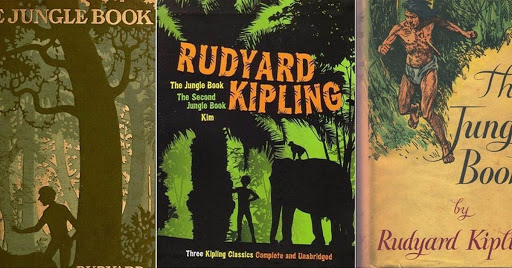
The Jungle Book, Written by Rudyard Kipling | Tiger Tim

Another classic, The Jungle Book, is intended for the older Tiger Cubs out there who are wanting to escape to the wilderness, one short story at a time. Unlike most of the tiger characters in this list, the Bengal tiger Shere Khan is cunning and ferocious. But inadvertently teaches the story’s main character, Mowgli, several life lessons, including facing one’s fears. This timeless tale is still alive after more than a hundred years since it was first published – partly because of the many film and TV adaptations over the years. Tiger Cubs, both younger and older, will love this story of friendship and bravery.

Augustus and His Smile, Written and Illustrated by Catherine Rayner

Recommended Ages: 4-8

Augustus and His Smile | Tiger Tim

Like most tigers for kids‘ books, Augustus is a playful feline who suddenly realised that his smile was missing. Augustus and His Smile is a meaningful book that teaches Tiger Cubs the true meaning of happiness, as Augustus searched for his own. The  book always makes me appreciate how happy my life is with my human friend, Tim!

Little Tiger, Written by Julie Abery and Illustrated by Suzie Mason

Recommended Ages: 3-6 years old
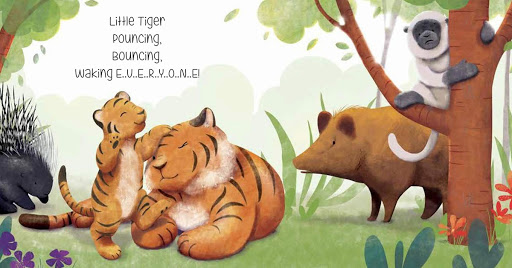
Little Tiger | Tiger Tim

Tigers are much like kids, don’t you think? We’re playful, sweet, and we love our mamas! Little Tiger is a book that shows a tiger mum’s love for her cubs… even when we get a bit too adventurous at times! With its short rhyming lines and superb illustrations, Tiger Cubs will love reading this lovely book!

Go Get ‘Em, Tiger, Written by Sabrina Moyle and Illustrated by Eunice Moyle

Recommended Ages: 3+
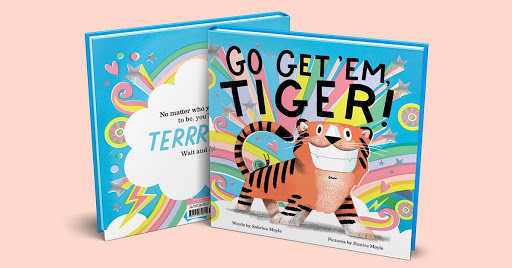
Go Get 'Em, Tiger | Tiger Tim

I go through bad days, like everyone else. But the book Go Get ‘Em Tiger by the Hello!Lucky sisters Sabrina and Eunice, never fails to pick me up whenever I feel a little down. This book shares a powerful message of encouragement and positivity to kids and grown-ups alike. The bright and colourful illustrations also go perfectly with the uplifting message of the book! So Go Get ‘Em, Tiger, for kids and adults alike!

Leo the Late Bloomer, Written by Robert Kraus and Illustrated by Jose Aruego

Recommended Ages: 4-8

Leo the Late Bloomer | Tiger Tim

Everybody blooms at their own pace – that is the message Leo the Late Bloomer wants to tell its readers. This Tigers for children book also teaches the youngsters how to talk, read, write, and eat without making a mess (sorry Tim!), but Leo is a late bloomer, and his father is concerned. But his loving mum knows that Leo will eventually bloom at just the right time. This well-loved classic still resonates today, no matter what age you are!

The Tiger-Skin Rug, Written and Illustrated by Gerald Rose

Recommended Ages: 4-8

The Tiger-Skin Rug | Tiger Tim Books

All this tiger wanted was a comfortable life with the rajah (an Indian King or Prince), so he disguised himself as a rug. But what happens when the rajah is in danger? Will the tiger reveal himself or simply remain a rug? The Tiger-Skin Rug is a story that teaches love, loyalty to family, and that there will always be a place for a tiger in one’s home! Just ask Tim Hague!

A Tiger Called Tomás, Written by Charlotte Zolotow and Illustrated by Marta Álvarez Miguéns 

Recommended Ages: 4-8

A Tiger Called Tomás | Tiger Tim

A Tiger Called Tomás is a new spin on a classic book about tigers for children: A Tiger Called Thomas. Wearing a tiger suit for Halloween, a small shy boy joins the night’s fun and decides that his new neighbors like him after all. This time around though, the story is given a bilingual twist, with Spanish words used across the text.  The message still remains the same though – stay true to one’s stripes, I mean, self!

The Tiger Who Lost His Stripes, Written by Anthony Paul and Illustrated by Michael Foreman

Recommended Ages: 3-8
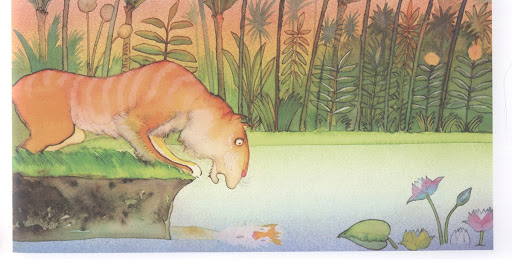
The Tiger Who Lost His Stripes | Tiger Tim

Talking of stripes… a tiger’s stripes are unique to every tiger – no tiger has the same pattern. But what happens when a tiger loses its stripes? That is exactly what happened to General MacTiger, the most magnificent animal in the jungle! Oh no! The Tiger Who Lost His Stripes is a fun story about a smart and persistent tiger for kids and grown-ups! After all, if at first you don’t succeed, try, try and try again. 

Sleep Like a Tiger, Written by Mary Logue and Illustrated by Pamela Zagarenski

Recommended Ages: 4-8
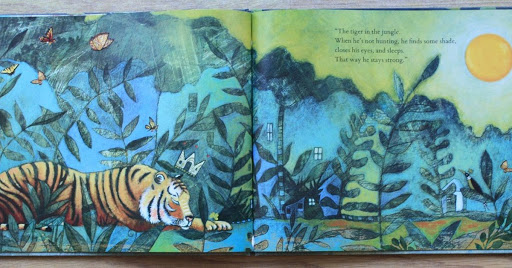
Sleep Like a Tiger | Tiger Tim

I love taking long slumbers, especially on cold rainy nights, and this book is perfect for bedtime storytelling! Sleep Like a Tiger tells the story of a little girl who claims she’s not sleepy and proceeds to recall how different animals sleep, including tigers. With its beautiful descriptions and rich illustrations, Sleep Like a Tiger is perfect for your next story-telling session before going to bed.

Something for the Grown-ups: Life of Pi, Written by Yann Martel

Life of Pi | Tiger Tim Books

The widely successful novel and its movie adaptation, Life of Pi, features one of the most famous tigers in literature, Richard Parker. Life of Pi follows Pi and a tiger he names Richard Parker, as they try to survive the ocean, elements, and each other. This deeply philosophical and moving narrative shares the universal message: “No man is an island”.

Thanks for reading my blog! I hope you enjoyed it. Tiger and Tim helps Tiger Cubs all over the world develop their love for reading and learning! Tiger and Tim episodes feature animated stories that Tiger Cubs and adults alike will find enjoyable, and best of all, they contain valuable lessons that kids will love. 

I hope my list inspired you to pick up a TIGER-RIFFIC book today. See you again soon!

Lots of love, from Tiger xoxoxoxoxo 

For more of Tiger’s blogs, click here.

Categories
BLOG

Get to Know Tim Hague – My Human BFF

Tim Hague is the man behind Tiger and Tim. Get to know Tim through these six interesting facts about my human BFF.

Many Tiger and Tim fans know Tim Hague as my silly human best friend. But there is more to Tim that not a lot of people know about.

Aside from being a tongue twister master and storyteller extraordinaire, Tim Hague is also a journalist, business owner, and an overall good guy! He also feeds me, so I need to make this article very complimentary!!

Let’s get to know more about the other half of Tiger and Tim with these six facts you should know about its creator, Tim Hague.

Categories
BLOG

Tigers for Kids: Life Lessons Kids Can Learn from Tigers

For centuries, tigers have wowed us with their great characteristics. Now it’s time we learn essential lessons from these great and wonderful felines.

To accept one’s own ‘stripes’ | Tiger Tim

Tigers are majestic – that’s a fact! But beneath our imposing stance and regal stare, we are among the most fascinating creatures of the animal kingdom. With our extraordinary abilities and cool demeanor, humans (like my best friend, Tim Hague) can pick up a thing or two from our kind. Tigers, for kids and adults, can offer valuable insights that no animal can offer.

Here are life lessons tigers can teach you humans, from the littlest child to the biggest grown-up.

  1. We look after the weak

We look after the weak | Tiger Tim

Tigers are one of the jungle’s heavyweights – we are the largest kind of wild cats and can weigh as much as 48 stone! However, while we are strong, tigers also know how to take care of the weaker ones in their group. Male adult tigers often let their female partner and his cubs eat first before he does, making sure that the weaker ones get the nourishment that they need to survive the harsh savannah. The male tigers also make sure that the more vulnerable group members are safe from other predators that can attack at any time.

This unique tiger behavior simply shows that one’s power does not lie in strength alone but also in how we use our strength to help those in need.

  1. To accept one’s own ‘stripes’

To accept one’s own ‘stripes’ | Tiger Tim

A tiger’s stripes are unique, they are like human fingerprints, Tim told me. No tiger has the same pattern, which makes our marks part of our identity.

Learning to embrace one’s differences is another lesson tigers can teach for children. To accept (and celebrate) one’s uniqueness is something many people struggle with. Children may find it difficult to appreciate what makes them different, but they can learn that what makes them unlike others also makes them special. Like me, I am the only tiger in the world that can’t roar – that makes me uniquely ME!

  1. To be patient

To be patient | Tiger Tim

Tigers are patient creatures – we know how to wait for the opportune time before we act. For kids, tigers can show that patience is indeed a virtue. In most cases, children do not learn the value of working patiently and consistently to achieve a goal. But tigers are masters at being remarkably forbearing, and this is something kids can learn from us.

Being patient has a lot of perks, one of which is regularly beating my buddy Tim Hague at a staring match!

  1. To be confident

To be confident | Tiger Tim

One thing that makes tigers soooo effortlessly cool is that we move with confidence. We are confident in our abilities, and we know our strengths.

For children, a tigers‘ confidence is something that they can emulate. Not all Tiger Cubs are born confident, and grown-ups can significantly help develop the little one’s self-mastery and awareness. 

I exhibit my feline confidence in different ways, but mostly whenever I strut down the street with my human BFF Tim Hague!

  1. To be adaptable

To be adaptable | Tiger Tim

We may not look like it, but tigers are excellent swimmers and can run quite fast, too. We are able to change and adapt our hunting techniques on both land and in water – just like how I change up my tactics whenever Tim doesn’t give me the last piece of the doughnut!

Being adaptable to one’s environment is considered a valuable trait. Acquiring different sets of skills and knowing when and where to use them is something kids (and adults) can learn from tigers. 

Tiger and Tim episodes | Tiger Tim

As I said at the start, Tigers are truly majestic creatures – we are smart, strong, caring, and confident, just like your Tiger Cubs! Watching Tiger and Tim episodes can foster their innate gifts and talents, such as their language skills, creativity, and curiosity! Grown-ups, too, can learn a lot from Tiger and Tim, just as Tim Hague is learning a lot from me, as well!

For children and adults alike, tigers can be sources of essential life lessons that they can carry with them for the rest of their days.

Lots of love, from Tiger xoxoxoxoxo 🐯 

Want to read more of Tiger’s blogs? Just click here!

Categories
BLOG

Tigers for Kids: 10 Amazing Facts About Tigers

Tigers for Kids: 10 Amazing Facts About Tigers | Tiger and Tim

Tigers are certainly one of the coolest cats out there! Get to know more about the striped felines with our tiger facts for kids.

Let’s take a break from our blog posts for grown-ups and do something fun for the Tiger Cubs! As you all know, I am a tiger – and a unique one at that! There are soooo many other exciting facts about tigers for children that they should know about. Please pass on the information I’m going to give to you grown-ups!

My best friend, Tim Hague | Tiger Tim

My best friend, Tim Hague, knows a lot about tigers and ME in particular. He read all about it in books and learnt all about my cousins whenever he was at home, when he wasn’t on the TV for the BBC, or when he visited me in the jungle! So Tim (with my help of course), decided to round up the top ten TIGER-RIFFIC facts about tigers – for kids!

  1. Tigers are the largest wild cat species in the world

Tigers are the largest wild cat species | Tiger and Tim Animals

I may look all cute and cuddly, but tigers are actually the largest species of wild cats! A typical male adult tiger typically reaches 3.3 metres in length and weighs as much as 670 pounds / 47.86 stone / 303.9 kgs! That’s the combined weight of at least six average-sized human beings. So, six Tim’s would be equal to one tiger. Amazing!

Tigers are also the third-largest land meat-eating animal (known as a carnivore), with only polar bears and brown bears being larger than us. The biggest of all the tigers are the Royal Bengals, who also happen to be the most popular tiger breed.

  1. A tiger’s stripes are unique

Tigers are a lot like children – we are also unique from one other! Our stripes serve as our identity – no two tigers have the same print. Much like human fingerprints, our stripes are ours alone, and they are our marker from other tigers.

Did you know that our stripes are not only found in our fur? Our tiger marks can also be found on our skin, unlike other cat species! So, the popular saying is true: a tiger earned his (or her) own stripes.

  1. Tigers can swim very well

Tigers can swim very well | Tiger and Tim Animals

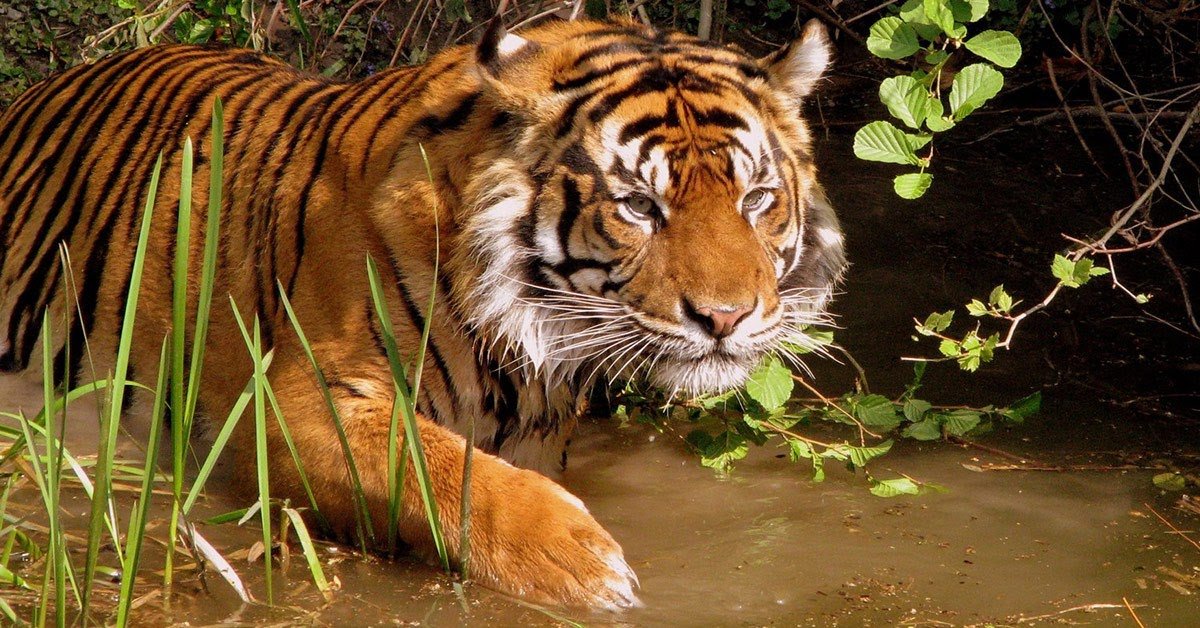
There’s a reason why I kept on bugging Tim to go to the beach – that’s because tigers love to swim! Unlike most cats, tigers like water. As young cubs, we love to play in the river for hours to cool off. Tiger mums encourage their cubs to practice their swimming skills every day, too. Our strong legs and webbed paws make it easy for us to swim underwater.

As we grow older, we become one of the best swimmers in the savannah, making tigers skilled hunters on both land and in water! Tigers can even swim up to 17 miles in just one day!

  1. Tigers have been living on Earth for 2 million years

Tigers have been living | Tiger and Tim Animals

Tigers are one of the oldest surviving animals on earth. Scientists have discovered the fossil of a tiger that is around two million years old! The fossilised head was found in Longdan, China, in 2004 and closely resembles me – although my ancestor is a bit smaller than the average tiger.

Fossils are remains of an animal or plant that lived on Earth a long time ago. Geologists and scientists study fossils to know more about life on our planet that happened waaaay before us. That includes tigers, for children to learn and understand for years to come! Pretty cool don’t you think?

  1. A group of tigers is called an ambush or streak

A group of tigers | Tiger and Tim Animals

When tigers get together, the group is called an ambush or streak. However, an ambush of tigers is not typical in the jungle because wild tigers prefer to be alone, like most pet cats! An ‘ambush’ or ‘streak’ of tigers would only usually appear when they are hunting together.

But unlike most of my tiger friends in the wild – I am a friendly tiger for kids and even adults! Just ask my good friend, Tim Hague!

  1. Tigers are humble creatures

Tigers are humble creatures | Tiger and Tim Animals

If lions are known to be proud (a group of lions is called a PRIDE), tigers are quite the opposite. Tigers don’t roar as much as lions do, especially towards our own kind. Also, male tigers allow their female companion and cubs to eat first. A true gentleman – I mean, gentlecat! 

  1. You can hear a tiger’s roar from 2 miles away

You can hear a tiger's roar | Tiger and Tim Animals

By now, you probably know that I am the only tiger in the world that can’t roar. But my tiger cousins and friends can do it so well! In fact, a tiger’s roar can be heard from 2 miles away! In some cases, even as far as 3 miles!

The four cat species that can roar are tigers, lions, leopards, and jaguars. A particular two-piece hyoid bone in their throats makes it possible for them to make a booming, roaring sound!

  1. Tigers can run fast, too!

Tigers can run fast, too! | Tiger and Tim Animals

Cheetahs, another wild cat, are known for their speed – they are the fastest animals on land and can run at a top speed of 73 miles per hour. But tigers are quick-footed, too! Our strong legs allow us to sprint as fast as 37 miles per hour – not bad for a heavyweight! Sorry, Tim, but I DO run quicker than you!

  1. Tiger cubs are born blind

Tiger cubs are born blind | Tiger and Tim Animals

Tiger cubs are cute – just look at me? But another point about us cubs is that we are born blind, and we can’t see anything until we are around two to three weeks old. This means we are entirely dependent on our Mums for protection and care. Our tiger Mums ensure that we are safe and away from harm until we can open our eyes and see correctly, making them super Mums! Much like Tim‘s Mummy Susy Hague!

  1. There are five subspecies of tiger alive today

There are five subspecies | Tiger and Tim Animals

Siberian Tiger

Siberian Tiger | Tiger and Tim Animals

Indochinese Tiger

Tigers may look similar for kids, but there are many different kinds of tigers living on Earth. The most popular ones are the Bengal tigers I mentioned earlier. Other subspecies include South China tigers, Indochinese tigers, Sumatran tigers, and the Siberian tigers. We are all found in different parts of the world – some in jungles and savannahs, while others are being taken care of in zoos. I have to say, not a lot of tigers live with human friends!

Indochinese Tiger | Tiger and Tim Animals

Caspian Tiger

However, many years ago, there were more than five kinds of tigers roaming the Earth. Some subspecies of tigers have become extinct, like the Caspian, Bali, and Javan tigers. That makes me a sad Tiger Cub.

Tiger and Tim and Tiger Conservation for Kids

Tiger and tim Jungle Adventure

Aside from making our online learning videos for kids, Tiger and Tim also helps to make sure that all tigers are safe. Our friends at For Tigers take care of wild tigers in Thailand and other parts of Asia. Tiger and Tim episodes also help children learn valuable lessons on animal responsibility and fostering a love for your own pets – a tiger or otherwise!

See you next time guys! Lots of love, from Tiger xoxoxoxo

For more of Tiger’s blog, click here.

Categories
BLOG

Age-appropriate Chores and How to Make Them More Fun with Tiger and Tim Learning Videos for Kids

Kids are not often big fans | Tiger and Tim Animals

Kids are not often big fans of chores, but grown-ups can make helping out around the house more fun with Tiger and Tim!

learning videos for kids | Tiger and Tim Animals

When I left the jungle to live with humans in the city, I learnt that my buddy Tim Hague HAS to do CHORES at home. Whilst our learning videos for kids are considered PLAY for both of us, I didn’t know how to do chores before and I wasn’t soooo thrilled when Tim started teaching me to help out and be a bit more responsible. 

It is important for young kids to learn the importance of chores at an early age though, because these tasks can teach them to be responsible, empathetic, hard-working, as well as many other important skills that can be used for the rest of their lives! Chores also give children a sense of belonging and can ease the workload of grown-ups. This all means: household assignments are a win-win for both grown-ups and Tiger Cubs. 

importance of chores | Tiger and Tim Animals

But let’s face it – most of the time, chores are the last thing on a kid’s or a Tiger’s mind. So, we need to add a little creativity and a dash of excitement to make these little tasks more fun and engaging… Tiger and Tim and our online learning videos for kids made by me and my friend Tim Hague are here to help!

Age-appropriate chores

Age-appropriate chores | Tiger and Tim Animals

Tiger Cubs are more capable than most grown-ups think. Children as young as two-years-old can already start helping out through age-appropriate chores. Simple activities such as putting away their toys or returning books on the shelf are things most young kids can already handle.

Tiger Cubs | Tiger and Tim Animals

Pre-schoolers can already start helping by watering the plants or clearing the table after meals. Grown-ups can also assign them to feed pets by filling the pet’s bowl with food and water.

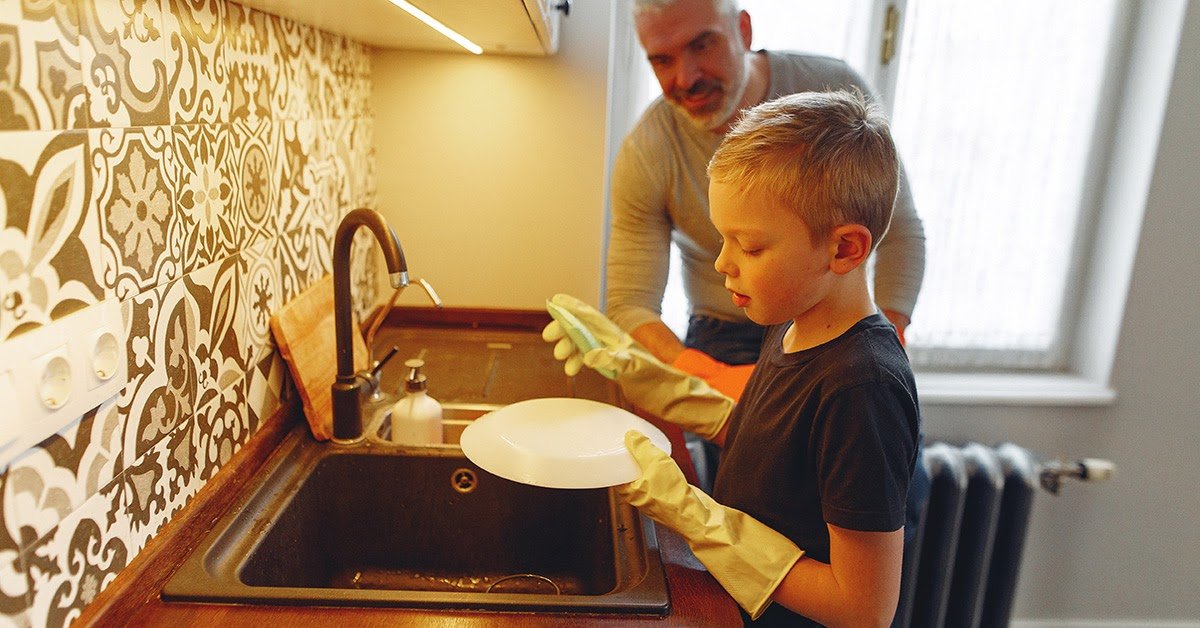
As they grow older, Tiger Cubs can take on more responsibilities, such as loading the dishwasher, sweeping the floors, and even helping the grown-ups prepare the dinner (this is my favourite chore!). 

Ways to Make Chores Fun

Ways to Make Chores Fun | Tiger and Tim Animals

It can get tricky for parents and grown-ups to get their Tiger Cubs to do jobs around the house. But Mums and Dads (and other adults at home) can help turn these tedious chores into a ‘special job’ or ‘a mission’ for the kids to accomplish. 

With our tips, kids might just find doing their household chores are as fun as watching their favourite online educational videos for kids!

  1. Turn chores into a friendly competition

urn chores into a friendly competition | Tiger and Tim Animals

There is no denying that kids are naturally competitive, so why not turn chores into an exciting and friendly competition between siblings? You can split a big task into equal parts and let them race to finish their assignment first. Make it even more fun by turning on your announcer’s voice, complete with funny nicknames to really get them in the mood!

  1. Play pretend

Toddlers and younger kids love playing pretend! Ask them to put away their toys while pretending to be their favourite animal (a tiger I hope) or a character in a book you have read together or someone from a learning video for kids that they might have seen. Play along with them to make things even more fun!

  1. Scavenger Hunt

Do your Tiger Cubs love I Spy books? Then make cleaning up more fun by turning it into a big scavenger hunt! Let the kids find and pick up the clutter around the house and the one who collects the most number of items, wins! They would have to return those items to their proper place afterwards, as part of the game.

  1. Sing a happy working song

Sing a happy working song | Tiger and Tim Animals

If there’s one thing Snow White and Giselle of Enchanted have taught us (aside from animals being the best clean-up buddies), it’s that chores can be a bit more fun with music! There are different versions of clean-up songs from online educational videos for toddlers that you can play whilst doing the  deeds, or you can even make up your own! Better yet, you can use our new singalong song that we featured in the fourth episode of our educational videos for toddlers and kids written by none other than Tim Hague himself!

Not much of a singer? Then play upbeat songs that you and the kids can dance along with while completing an otherwise dull chore. 

  1. Stickers

Stickers | Tiger and Tim Animals

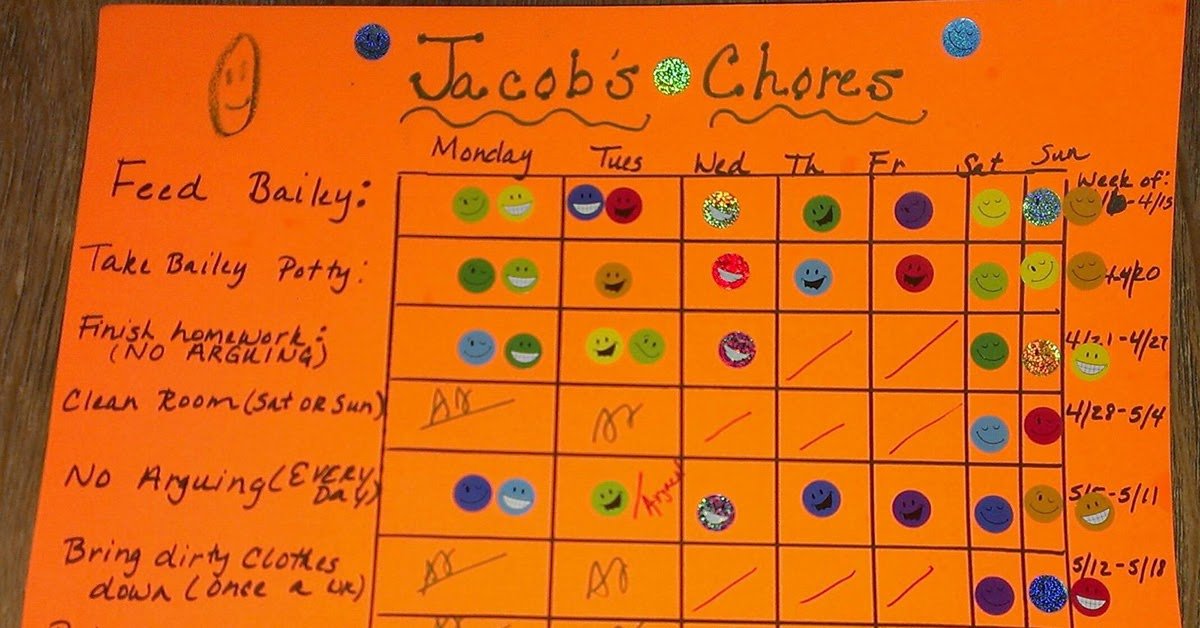
Stickers are excellent to use when rewarding simple accomplishments. Create a chore chart and display it in a prominent area of the house. Use stickers that are fun and colourful, maybe even stickers of characters or animals that the children like. 

For every task or chore done, reward your Tiger Cub with a sticker on their chart. If he or she achieves the desired number of stickers by the end of the week, then a simple treat is in order! 

One trick to make chore charts more effective is to change them up regularly. You can also involve the youngsters in making the chore chart, or even choosing the stickers that they want to use.

Tiger and Tim Learning Videos Can Make Chores More Interesting For Kids!

Tiger and Tim Learning Videos | Tiger and Tim Animals

Want to make chores more fun for the Tiger Cubs at home? Tiger and Tim episodes can help!

Tiger Cubs at home | Tiger and Tim Animals

Turn a tedious task, like sorting out washing or folding clothes, to something more enjoyable by playing Tiger and Tim episodes in the background. You can also talk about what your Tiger Cubs liked about the episode, such as Quiz Corner’s interesting facts or the tongue twisters from Tiger’s Tongue Twisters! Last but definitely not least, emphasise that doing their little bit for others is showing kindness, respect and love, and those are all qualities Tiger and Tim encourage in everything that we do. 

Chores may be boring, but these tasks teach the little ones (and Tigers!) many valuable lessons and skills that they will use forever. AND, with a bit of creativity, a positive attitude, and a little help from Tiger and Tim online learning videos for kids, Tiger Cubs can even enjoy those cheeky chores!

Want to learn more parenting tips and tricks from Tiger and Tim? Read our other blog posts here.

Categories
BLOG

Why Art is Important and How Tiger and Tim Learning Videos Help Foster Creativity (Written by The Art Critique)

The Art Critique is here to enlighten everyone on the importance of art in a child’s development. Creativity and other essential skills can be developed by producing arts and crafts, drawings, and paintings. Here’s how Tiger and Tim learning videos can encourage it.The Art Critique | Tiger and Tim Animals

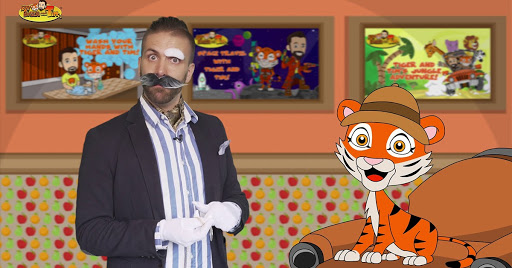
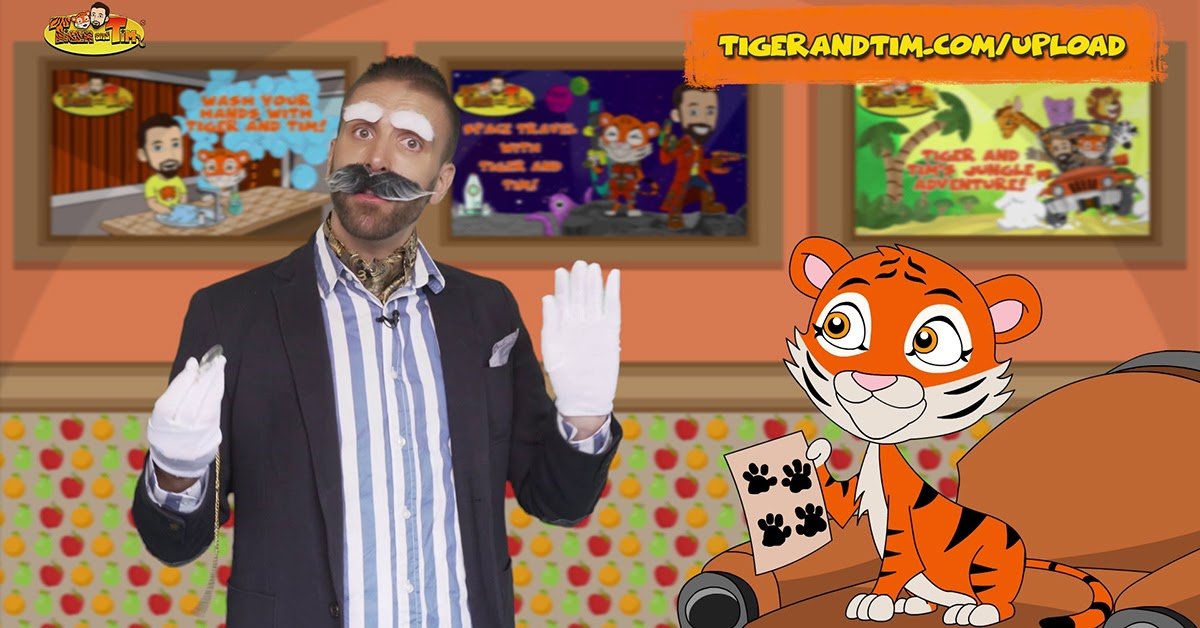
Well, hello boys and girls, it’s me, the mustachioed wonder, THE ART CRITIQUE from Tiger and Tim online learning videos for kids! Tiger invited me over to his blog so I can share my expertise and wisdom about art to all our grown-up readers out there. Much to Tim’s delight, of course (Hello Dear Tim)!importance of making art | Tiger and Tim Animals

As you can tell, art is something I am very passionate about. I BREATHE art, I am not called The Art Critique for nothing! So I would like to talk about the importance of making art to all Tiger Cubs. You see, Mums, Dads, Aunts, Uncles, Grandpas, and Grandmas, art is not just about making a big mess on the kitchen table or doodling on the pristine white walls of the house – art, for children’s development, is essential. You may not see it now, but you might just be raising the next Picasso! Our educational videos for toddlers and older kids (where I am prominently featured *ahem*) can further encourage love and appreciation for the arts!

I now have my trusty monocle on so let’s talk about art, for art’s sake! 

Developmental Benefits of Art

Aside from developing Tiger Cubs’ creativity, art also helps in many other developmental milestones.

Motor Skills

Motor Skills | Tiger and Tim ART

Making art would typically include gripping the paintbrush or crayon, which would greatly help with a toddler’s fine motor skills. When doing craft projects, kids could also make use of child-safety scissors, which can help develop their dexterity. All these fine motor skill exercises are necessary in many different ways and, most importantly, in learning how to write.

Language and Communication

Language and Communication | Tiger and Tim

If you know me from our educational videos for kids, you know that I LOVE talking about art, art, and more art, which is why doing arts and crafts can significantly help with a Tiger Cub’s language and communication skills.

Being immersed in making art can enrich a young one’s vocabulary – from distinguishing the different colours to talking about their work using descriptive words, as I do! Arts and crafts activities can also help children learn about different shapes and even actions words.

Critical Thinking Skills

Critical Thinking Skills | Tiger and Tim Animals

Making art allows children to explore, to test out what works, and what does not. As they create, they explore different possibilities and work out the problems – all these decisions hone their critical thinking skills. So art not only makes Tiger Cubs creative, but smarter, too!

Social-Emotional Skills

Social-Emotional Skills | Tiger and Tim Animals

Social-emotional development refers to a child’s expression of his or her experiences and how they manage thir emotions. Art itself is self-expression in its purest form, and it can help children express a wide range of their very colourful emotions, especially when their vocabulary is still emerging.

Social-emotional development | Tiger and Tim Animals

Apart from helping Tiger Cubs express their emotions, they can also learn to tell how they feel about others. This is what I do in my segment of our educational learning videos for kids, since the children learn to show appreciation for others’ artworks and value other Cubs’ effort to create their masterpiece! Creating paintings and other works of art with others also helps children understand the importance of sharing and taking turns.

How to Foster Creativity at Home

How to Foster Creativity at Home | Tiger and Tim Animals

As you have seen in Tiger and Tim online learning videos for kids, you know that I am a true master of the arts! You can also help your Tiger Cubs develop an artistic eye (monocle not necessary)!

Let your Tiger Cubs’ inner ARTISTE shine through by fostering art in your own home! Here’s how parents and grown-ups can do it:

Tiger Cubs' inner ARTISTE | Tiger and Tim Art

  1. Embrace the mess – it may be a headache now, but the mess is actually a good sign that your little one’s mind is hard at work! To help you keep the clutter to a minimum, set up an art station in your house, and have a drop cloth or old newspapers handy. If the weather permits, you can have the children paint outdoors, too!
  2. Be an audience, not a director – avoid giving Tiger Cubs directions when they are creating something, especially if it’s free-form. Instead of being a director, be an encouraging and supportive audience instead, and let your child’s masterpiece come to life!
  3. Talk about art – once your child’s artwork is done, let them express how they feel about it! Talk about what they created, the colours they used, and even how they made the piece. This will enrich their vocabulary and develop their communication skills so they can grow up to be master art appreciators, like me!

Encouraging Creativity with Tiger and Tim Educational Videos For Toddlers

Tiger and Tim Educational Videos For Toddlers

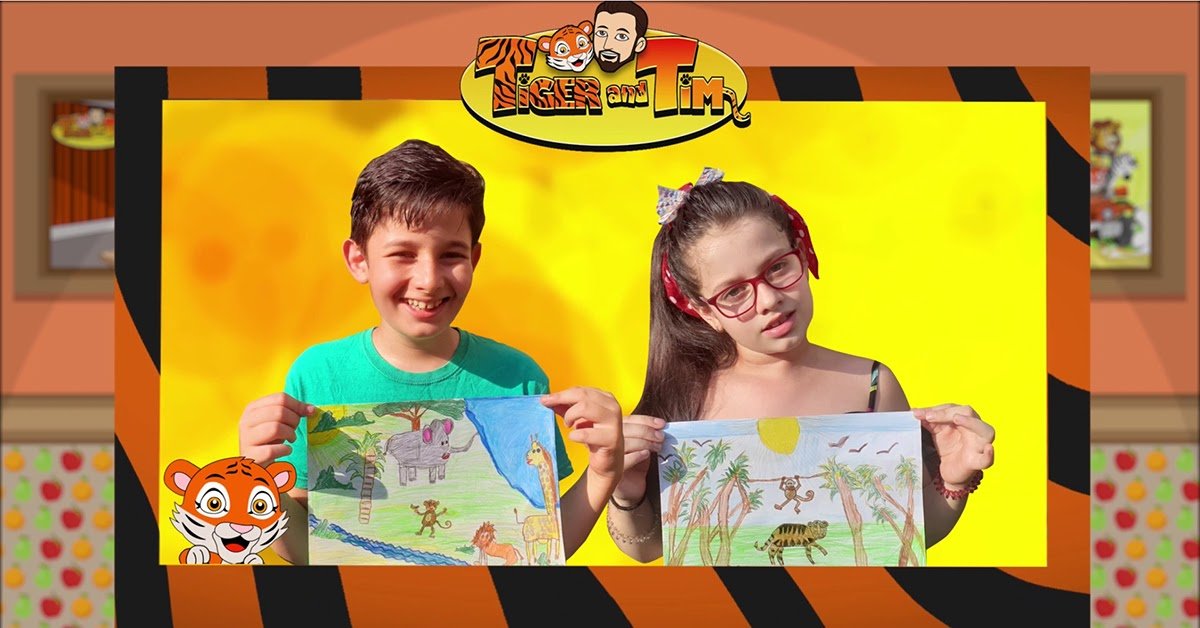
Learning videos for kids, like Tiger and Tim, can inspire young minds to create their own artworks! Tiger and Tim episodes always feature me in “Picture This”, where I share artworks of Tiger Cubs all over the world! 

The children can be inspired by me and our episode’s theme to create their own masterpiece. Our latest episode is all about food, so watching it can also inspire them to reach for a snack!

Grown-ups can also encourage the little ones to share their ideas on the different works of art featured in my Art Gallery. Doing so will not only develop children’s communication skills, but adults can also guide them in exploring their emotions.

So what are you waiting for? Start creating those fantastic works of art and send us a photo of it through this link. I will be waiting for your fabulous masterpieces!

Want to know more about how Tiger and Tim can help with your child’s development? Read our other blog posts here.

Best wishes, from your very favourite Art Critique!

Categories
BLOG

How Tiger and Tim Educational Videos for Kids Can Get Children Talking

Tiger and Tim | Learning Videos for kids

language is one of the essential skills Tiger Cubs should start developing from a young age. Here’s how TigerandTim can help with that!

If there’s one thing Tim loves to do (a lot), it’s TALKING! It’s a good thing he’s not bad at it, otherwise, we couldn’t make Tiger and Tim learning videos for kids! I am a little too shy to talk on the show yet…

Skills Tiger Cubs | Tiger and Tim

Whilst I never learned to roar like most tigers in the wild (sadly), Tiger Cubs learn to communicate with grown-ups pretty easily. Mums, Dads, and other adults at home can take advantage of their Tiger Cubs’ natural tendency to pick up a language in different ways. Playing and reading together, watching free educational videos for kids online, or merely allotting time for conversation can help with a child’s language development and communication skills.

How Parents Can Help with Developing Communication Skills

Parents Can Help with Developing Communication Skills | Tiger and Tim

A Tiger Cub’s brain is like a sponge – they can absorb information quickly from the moment they are born until they are in their adolescent years. They need to be exposed to any language at an early age, as this serves as a good start in developing their language skills. 

Tiger Cub's brain is like a sponge | Tiger and Tim

From the moment they are born, babies communicate with their parents and other grown-ups – from crying, giggles, gurgles, and other gestures. By the time they turn about a year old, babies also learn how to use their bodies to communicate. Pointing using their finger is considered a communication milestone because it’s an opportunity for Cubs to get people to notice something that he or she saw. Just like how I communicate with Tim when I’m hungry!

As Tiger Cubs grow older, of course, they also build their vocabulary and learn how to use words in a conversation. The more they talk and communicate with others, the better their language development becomes. Watching adults or older siblings at home talking to one other, AND being exposed to online learning videos for kids, can serve as a learning guide for children to be more effective communicators.

There are many other different ways grown-ups can foster young Cubs’ natural tendency to communicate. Here are some of our ROAR-SOME suggestions:

Talk Time

Having interactive conversations is PURR-FECT in developing communication and language skills. In a conversation, grown-ups can model grammar and syntax rules, as well as turn-taking. You can also serve as a guide on how to pronounce unfamiliar words.

Talk Time | Tiger and Tim

Communicating with your Tiger Cubs is simple! You can start by talking about the books you read together or the online educational videos for kids they love to watch. You can also talk about the day’s activities or things that you enjoy doing together. They don’t have to respond to you all the time. Sometimes, their responses may not even be related to the topic of the conversation. That’s okay! You can feed off of their answers to keep the conversation going.

Three Strikes

Toddlers need to be exposed to a particular word several times before they can effectively include it in their vocabulary. One way grown-ups can help is through repetition. You can repeat a word three times in succession in different sentences and contexts.

“Look at that red car!”

“That is Daddy’s car.”

“Do you want to ride in the car with me to the park?”

This way, kids can notice and retain the new word more effectively.

Develop Language and Communication Skills with Tiger and Tim Learning Videos!

Watching learning videos is a TIGER-RIFFIC way to develop communication skills!

Our show is an excellent resource for fostering a Tiger Cubs’ acquisition of language! Tiger and Tim learning videos are highly interactive, stimulating a child’s language and communication development. 

Tiger and Tim episode segments, like Storytime with Tiger and Tim, Quiz Corner, Picture This, and Your Tigers are great conversation springboards for grown-ups and kids. Our Joke Shop can also help Tiger Cubs get creative with their words and teach them all about the English language’s different nuances. Meanwhile, Tiger’s Tongue Twisters develop their pronunciation and enunciation of English words. The best part of this is that children learn ALL of these things without them even realizing it! Clever, isn’t it?

Furthermore, other online videos for toddlers, such as action songs, like ‘Head, Shoulders, Knees, and Toes’, can help Tiger Cubs associate the word with a particular noun and action. Gestures are considered communication, too! And who can say no to some singing and dancing? You know I can’t!

Space Travel with Tiger and Tim

Every one of us has an innate need to communicate with others (even Tigers!). Being effective communicators in the future will not only be useful for Tiger Cubs in school, but it can also help develop their character and be a good little Tiger, like me!

Read more about how Tiger and Tim can help with your childrens development here.

Categories
BLOG

Foster a Love For Reading at Home: Tips on Raising a Reader from Tiger and Tim Educational Videos!


Fostering a love for reading is easy. Here are some easy tips to help raise readers with Tiger and Tim educational videos.

Books are my best friend, aside from Tim, of course! Reading stories is one of Tim and I’s favourite things to do together, along with watching Tiger and Tim educational videos and playing outdoors! Actually, getting lost in a good book can make me feel like I am exploring the great outdoors.


Reading is an essential skill to develop not only for school but for many other reasons. Not only does it help with vocabulary, comprehension and imagination, among others, but it can also make Tiger Cubs more empathetic, socially aware, and just a good little Tiger!

Parents and other grown-ups at home play a significant role in fostering a love for reading amongst their kids. With youngsters needing to spend more time at home nowadays, reading books is a great way to bond as a family. Exposing the little ones to age-appropriate books is an excellent start to encourage reading. There are soooo many ways that Mums and Dads (and the rest of the family) can engage kids with books. Here are some tips to help develop your child’s affinity for books.


  1. Model the behaviour

Tiger Cubs are very impressionable, and they look up to the cool grown-up cats at home – to know which behaviours are acceptable and which are not. If you want your kids to love reading, then one way to encourage them is for them to see you reading! Reading books to them does not count; it has to be your own choice of text or any reading material that they see you thoroughly enjoy. This way, your kids associate books and reading, in general, as something enjoyable.

Like watching fun videos for kids, reading can also be a positive experience for the family. You can assign a specific reading time at home wherein every member of the family reads together. Parents are also encouraged to talk about the books they are reading (or have read) to their kids. Doing so can cultivate curiosity and open communication between you and your Tiger Cubs.
  1. Make books accessible

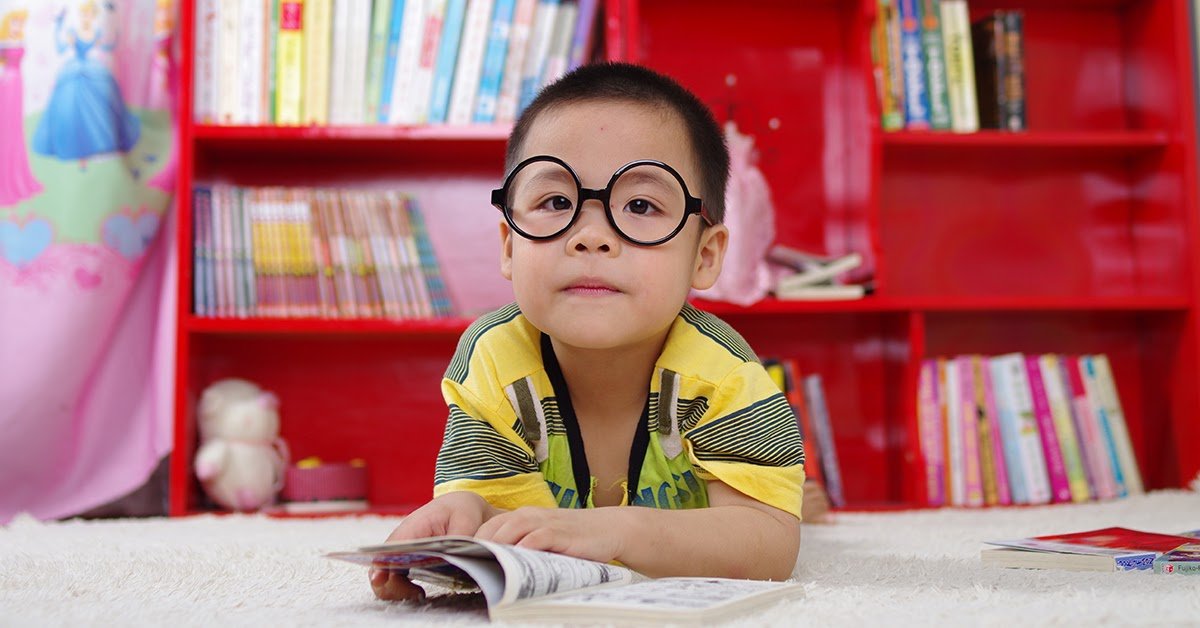
Having books at home is essential, but making them accessible for the Tiger Cubs will further develop their love for reading. 


One way to make books more available for the tots is by using a front-facing bookshelf. Since young ones don’t know how to read yet, they rely on the books’ cover when choosing a book; thus, front-facing bookshelves are PURR-FECT for little ones. Furthermore, independent Tiger Cubs can easily reach for a book without having to ask for your help. This simple act of getting a book themselves can make it easier for them to read on their own!

  1. Repetition is okay

Some kids tend to like the same book for a loooong time. I ask Tim to read my current top choice at least twice a day! Sorry, Tim!

You might feel tired reading the same book to your Tiger Cub for over ten times in a day but, keep in mind that repetition can actually be beneficial! Repeating the books can help with their speech development and in building their vocabulary. And if your Tiger Cub is like me, we just looooove knowing what will happen next! So say, for example, your kids love animals, then learning about animals through books is a TIGER-RIFFIC way for them to explore, even if that means reading the same book over and over again.

  1. Take trips to the library or bookstore

Another way to make reading and books fun is through taking trips to the library or a bookstore. Going to the bookstore or library and letting the Cubs explore can make them excited about books! While going out may not be an option nowadays (gotta stay safe, cool cats!), you may try to give them the same experience through organising a small book-exchange group with other families in the area or with your Tiger Cub’s classmates. 

You may also take advantage of e-books that can be downloaded online. Some libraries even have programs for borrowing e-books! Which is so ROAR-SOME, right? Just don’t forget to let your Tiger Cubs choose the books that they like to make them feel involved in the process.

  1. Embrace technology

Many parents believe that technology and reading books don’t sit well together. With young kids’ (and Tigers hehe) having short attention spans, using technology can make reading more interactive and exciting!

The Storytime segment in Tiger and Tim (the best part!) is excellent for making stories come alive! The vivid animations in Tiger and Tim educational videos make the stories more exciting and fun for your Tiger Cubs, and do you know what happens when learning becomes fun? It becomes more effective, especially for young Tiger Cubs!


Foster Literacy with Fun Videos for Kids from Tiger and Tim!

Tiger and Tim educational videos are PURR-FECT in making the most out of screen time. Reading and learning become more effective when kids are engaged and enjoying every second of it.

For more parenting tips for all the cool Mums, Dads and grown-ups out there, or for other little tricks and tactics, check out our other posts here. Happy reading!

Categories
BLOG

Using Educational Videos for Children in the New Normal: How Parents Can Help with Distance Learning at Home

Nowadays, going to school means going online. Here’s how parents  can help their kids to navigate distance learning through educational videos and other tips!

Children love educational learning videos, and they also love going back to school! But school is looking a little bit different this year…


This school year brings in something new to most of us. It is not what many Tiger Cubs are used to. It also comes with its own set of challenges. But distance learning has its TIGER-RIFFIC perks, too! You may not realise it now, but with your little ones home most of the time this year so far (and for many, in the months ahead too), this is the PURR-FECT opportunity for them to build on their family life with you and their siblings (and their own tigers/pets, too!). 

The new normal can be tough, but there are several ways parents can help their learners at home adjust to distance learning and make the road smoother and more fun! 

From watching educational videos for children to breaking out into an impromptu concert performance (my favourite thing to do in the shower!), parents can make the experience more memorable for their kids. 


Here are some of the ROAR-SOME ways to help your preschoolers (and older kids) with distance learning:


  1. Create a routine

Your Cubs’ day in school is highly-structured, and you can do the same thing at home. A routine can significantly help young learners feel less anxious about the entire situation. In comparison, older kids can work to a more relaxed schedule. 

For your preschoolers, you can create a timetable showing the specific activities that need to be done throughout the day. Go ahead and use colourful pictures, crayons, stickers, and stamps to mark which activities are finished. By keeping track of their schedule, they also feel accomplished! 

  1. Start the day with F-U-N!

Speaking of activities, teachers recommend that young Tiger Cubs start an e-class with something fun to perk up their energy and keep them motivated. You can do some light stretching and exercise. There are a lot of fun videos for children online used for physical activities, that you can choose from. If exercising is not your thing, you can try singing and dancing to your favourite tunes to get those positive vibes coming! Not only will a fun start to the day help your Cubs be ready for the day, but it can also do wonders for your mood and disposition.


  1. Set up a study space

The environment that you create for your Tiger Cubs makes a big difference, so setting up their workstation in a conducive area is very important.


The dedicated workspace doesn’t have to be grand (no matter what Pinterest tells you). As long as the space is clean, comfortable, and well-lit and ventilated properly, then it’s the right work area for your little one. Make sure that all toys are kept so that the kids will not be tempted to play. Noise level at home needs to be as minimal as possible, too, since the children may be watching educational learning videos, and the noise can be distracting.


  1. Keep in touch with the teachers

First of, TEACHERS ARE PAW-SOME for everything that they do for their students.


Teachers have always been parents’ partners when it comes to their children’s education. But distance learning made this partnership much more significant. Frequent communication is essential to let teachers know how your Cubs are faring at home. You can also ask for help with things that may be unclear, or how to manage activities. Most teachers are more than happy to extend their helping paws to parents!

  1. Let go of perfect expectations

Parents have expectations for their kids, and sometimes, Mums and Dads forget that their Tiger Cubs are still learning new things. Therefore, not everything will be done correctly at the first try – and that’s okay!

Letting go of the idea of perfection allows Tiger Cubs to fully experience learning – from committing mistakes to learning from them. But it doesn’t mean that parents should not follow the expectations or standards set by the school. Mums and Dads can help their young kids achieve their learning goals through scaffolding, or taking one little step at a time.


Make Learning Exciting with Tiger and Tim’s Fun Educational Videos!

Whether today’s lesson is about the planets or jungle animals, education can be supplemented through fun and interactive learning videos for kids – like Tiger and Tim!

Tiger and Tim episodes are great resources to complement the lessons from school. We have Story time, arts and crafts, exciting facts, and fun tongue twisters! Children are acquiring skills and gaining new knowledge without them realizing it. Making learning fun – that is what Tiger and Tim is all about.


Distance learning during the new normal may not be the ideal way to learn. However, learning can take place anywhere – may it be in school or at home! After all, parents will always be Tiger Cubs’ first teachers.


Lots of Love, as always, Tiger xoxoxoxoxo 


Click here for more of Tiger’s blogs for parents and cubs!

Categories
BLOG

Viewing is a Language Skill – Here’s How Kids Can Make the Most of It

Educational Videos | Tiger and Tim

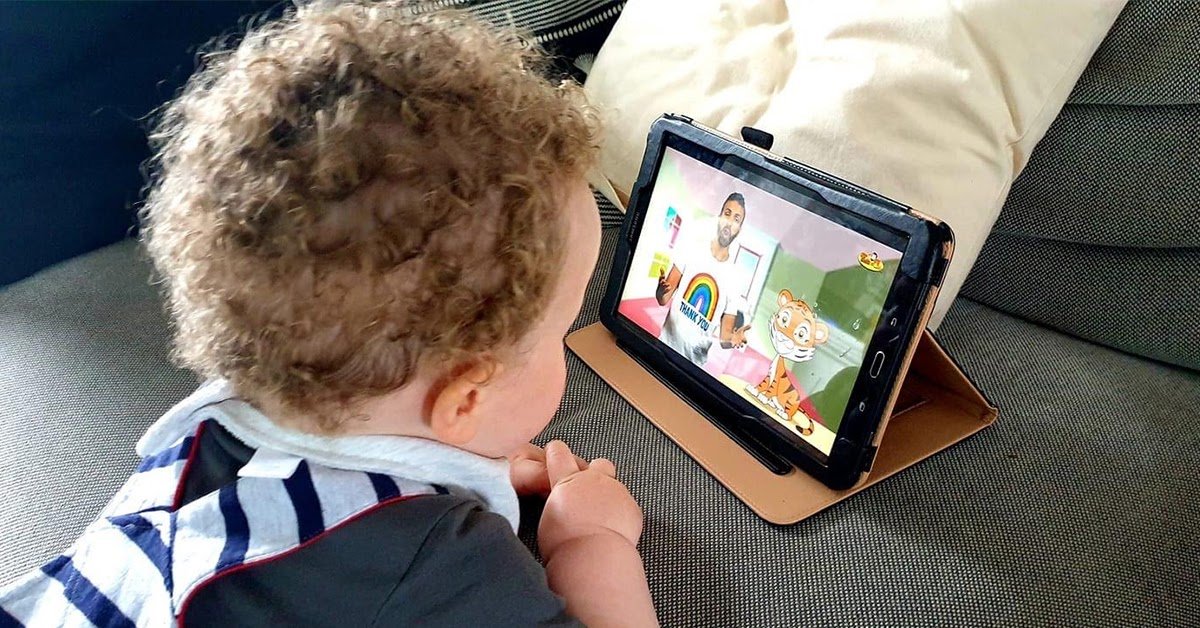
Kids nowadays are digital natives, and one way to help with their language development is through watching good quality educational videos, like TigerAndTim!

Learning While Having Fun

Learning While Having Fun | Tiger and Tim

I love learning and exploring new things, just like all Tiger Cubs! One fun  way parents can help cultivate your own cubs’ natural curiosity and love for learning is through watching educational videos at home.

Not a lot of parents realise that viewing is a skill. But it is considered as a language skill, because it will greatly help with your Tiger Cubs’ language development. Most educational videos (like Tiger and Tim!) make viewing more interactive and exciting , so your Tiger Cubs are learning A LOT without them even realising it! So it’s definitely a win-win for Tiger Cubs and parents!

Read on to find out how you can make the most out of learning through viewing below!

Viewing as a Skill

Viewing as a Skill | Tiger and Tim

We are all too familiar with the four macro skills – reading, writing, listening and speaking. But language researchers believe that there is a fifth macro skill, one that resonates with the times: That skill is none other than viewing!

Viewing as a language skill is defined as the process of understanding visual texts that come in various formats, such as TV shows, advertisements, films, videos, and images. In short, viewing is the act of ‘reading’ visual cues. So it’s like reading a book while looking at pictures, animations, and listening to accompanying sounds!

When it comes to acquiring and developing language understanding, it makes sense that viewing is considered valuable, especially nowadays. Online video-sharing platforms have also made audio-visual, multi-sensory texts even more available for children. With so many schools and families opting to do distance and online classes this school year because of the global pandemic, the role of learning through videos for kids plays a significant role in their language development.

Make the most out of viewing

Make the most out of viewing | Tiger and Tim

Parents often dismiss viewing as an essential skill, thinking that most of the videos for kids are only meant for entertainment purposes. However, when using age-appropriate learning videos,  viewing can aid in various aspects of a child’s language development. 

Videos are purr-fect tools to learn English or any other language. Furthermore, viewing is an TIGER-RIFFIC way to develop children’s literacy as learning English through stories – that combine pictures and sounds – is considered more exciting and stimulating for your ever-so curious cubs!

TIGER-RIFFIC | Tiger and Tim Animals

One way to make the most out of viewing is to ensure that you choose learning videos for kids that are of good quality. Not all learning videos are created equal, and young learners are not yet able to accurately discern which ones are good for them. Therefore, Tiger Cubs would need their cool parents and educators to watch these videos and their children and students to ensure that learning actually does occur. And wouldn’t it be more fun to watch videos together?

Try asking your kids simple comprehension questions after watching a video, such as “Who are the characters in the story?” or “Where did the story take place?” to gauge whether they understood the material or not. It could also help them be more engaged in the story and fosters bonding between you and your Tiger Cubs.

Tiger and Tim Learning Videos

Tiger and Tim Learning Videos | Learning Videos for Kids

Stories infused with animation are sure fire hits for young children. These learning videos for toddlers and even for older kids not only entertain them, but they can also help build language skills such as comprehension and vocabulary.

Tiger and Tim episodes come with the Storytime segment, wherein a fun and creative story is presented with vivid graphics and animation. Storytime’s unique stories are targeted at preschool-aged kids and above, but older children (and even adults!) also find them enjoyable. It’s my most favourite part of the show. Well, the ENTIRE show is actually my favourite!

After the story, you should ask simple comprehension questions to check for understanding, and words that may not be familiar to them. You may then proceed to talk about what they liked about the story or what they might have found interesting in the video. As parents, you are very much encouraged to share your own insights with your Tiger Cubs, to make way for some nice casual conversation over snacks. (Okay, so snacks are not really necessary, but are very much welcome!).

Tiger and Tim's Jungle Adventure

Viewing, when used correctly, is an effective way to aid children’s language development. Parents can use learning videos readily available online to nurture the literacy, curiosity, and creativity of their young learners at home. So make the most out of screen time with Tiger and Tim!